%201.png)
.png)

MMA Training: Build Fitness, Skill and Confidence
The first session is often the hardest part to imagine. You may worry that everyone else will be fitter, more experienced or there to compete. Good MMA training removes that pressure quickly. It gives you a clear place to start, expert guidance at each stage and a practical reason to keep turning up: every class helps you become stronger, calmer and more capable.
Mixed martial arts is not reserved for professional fighters or people who have trained since childhood. For many adults, it is a more engaging alternative to repeating the same gym workout each week. For children, it can be a structured outlet for energy that also develops focus, respect and confidence. The right coaching environment matters because progress comes from consistent, safe training, not from being thrown in at the deep end.
What MMA Training Actually Involves
MMA combines striking, grappling, takedowns, movement and conditioning. Rather than relying on one distance or one style of fighting, students learn how different skills fit together. A session may include pad work to develop punches and kicks, partner drills for controlling position, basic wrestling movement, fitness exercises and technique practice.
That variety is one reason people stay committed. You are not simply counting repetitions on a machine. You are learning a skill, solving problems and seeing how your body responds over time. One week you may notice that you can hold a stronger stance; a few weeks later, a sequence that felt awkward begins to flow naturally.
There is also a clear distinction between training and fighting. Most members train to improve their health, confidence and ability, not to enter a cage. Controlled partner work is valuable because it teaches timing, distance and composure, but it should always be introduced progressively. Hard sparring is not a requirement for beginners, and it is never a substitute for good coaching.
Why Beginners Benefit From Structured MMA Training
Starting something unfamiliar can feel uncomfortable, especially if your fitness has slipped or you have had a poor experience at a conventional gym. A structured class gives each session a purpose. You know what you are practising, why it matters and how to adjust it to your current level.
For a complete beginner, the early focus should be on foundations. That means learning to stand and move with balance, use safe technique, protect yourself intelligently and communicate well with training partners. Fitness develops alongside these skills. You do not need to arrive fit enough for MMA training; regular training is how you build that fitness.
A welcoming class also makes a major difference to confidence. Training with people of different ages, backgrounds and experience levels shows that improvement is personal. Someone else may have sharper kicks or more years on the mats, but your job is to improve your own technique, fitness and consistency. That approach is more sustainable than comparing every session to the person next to you.
Fitness That Has a Purpose
MMA training can improve cardiovascular fitness, strength, mobility, coordination and endurance, but its appeal goes beyond burning calories. The conditioning has a purpose. Strong legs support better movement and balance. A stronger core helps you generate force and maintain control. Better stamina allows you to think clearly when you are working hard.
This does not mean every class needs to leave you exhausted. Training hard is useful, but training intelligently is what keeps you progressing. A coach may adapt drills, rounds or intensity so that a newcomer can learn well while a more experienced member continues to be challenged.
For busy adults, this combination can make training easier to maintain. Instead of separating cardio, strength work and skill development into different parts of the week, you can develop all three in one focused class. Results still depend on attendance, sleep, nutrition and recovery, but an enjoyable routine is far more likely to become a lasting one.
Practical Self-Defence Starts With Awareness
Credible self-defence is not about looking for confrontation or memorising flashy moves. It starts with awareness, judgement and the ability to stay composed. The best outcome is always avoiding danger where possible, creating space and getting to safety.
Training can support this mindset by improving posture, awareness of distance and calm decision-making under controlled pressure. It also gives you a realistic understanding of what feels difficult: how quickly distance can close, how tiring a struggle can be and why simple, well-practised movements matter.
The precise techniques taught will depend on the class and the student, but quality instruction keeps the focus on safety and practicality. It does not make exaggerated promises. Instead, it helps people build useful skills, physical confidence and better awareness over time.
What Children Can Gain From Martial Arts
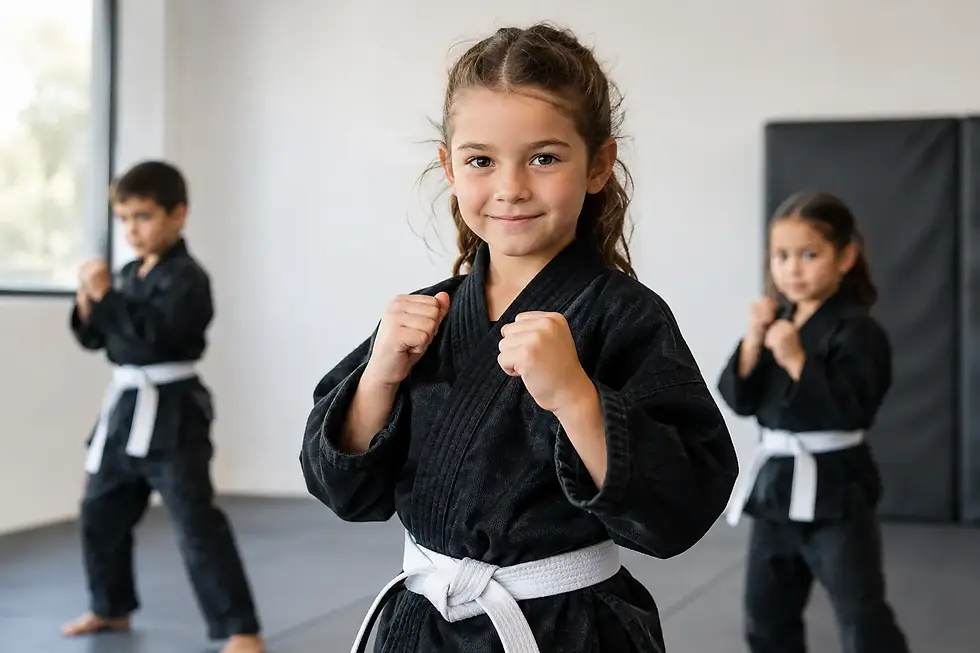
For children, martial arts should be about much more than learning strikes or copying what they see on screen. A well-run Kids Martial Arts programme creates clear boundaries, positive routines and achievable goals. Children learn how to listen, take turns, work with others and keep trying when a technique does not come easily.
Physical activity is a valuable part of that experience. Children can improve coordination, balance and body awareness while using energy constructively. Just as importantly, they learn that confidence is built through effort. Earning a new grade or improving a drill becomes evidence that practice makes a difference.
Parents should look for classes that are age-appropriate and carefully supervised. Younger students need instruction that develops control, respect and personal safety, rather than adult training scaled down without thought. A supportive group can help a quieter child find their voice, while an energetic child learns focus and self-control.
How to Choose the Right Class
The best MMA gym is not necessarily the one with the loudest reputation. It is the one where you or your child can train consistently, receive proper attention and feel safe asking questions. Before committing, attend a trial session if possible and pay attention to how coaches speak to beginners and children.
Look for a programme that offers qualified instruction, structured sessions and clear expectations around safety and respect. Training partners should be encouraged to work together, not prove themselves at someone else’s expense. Clean facilities, sensible class sizes and coaches who can explain a technique in more than one way are also good signs.
At Outlaw MMA, the aim is to help each member progress at their own level within a friendly, focused community. Whether your goal is fitness, self-defence, confidence or a new challenge, you should never feel that a lack of experience prevents you from starting.
Getting Ready for Your First Session
You do not need expensive equipment or perfect fitness before you walk through the door. Wear comfortable sports clothing, bring water and arrive ready to listen and learn. If you have an injury, health concern or particular goal, tell the coach before class so they can help you train appropriately.
Expect to feel challenged, but do not expect to know everything straight away. The first few sessions are about becoming familiar with the environment, basic movements and the rhythm of the class. Ask questions when you need to, practise with control and give yourself time. Technical progress is rarely dramatic from one session to the next, yet it becomes obvious when you look back after a few months.
The real value of martial arts is found in that steady commitment. Each class is a chance to build a fitter body, a more focused mind and greater trust in what you can achieve. Start where you are, train with purpose and let your progress speak for itself.


Comments