%201.png)
.png)
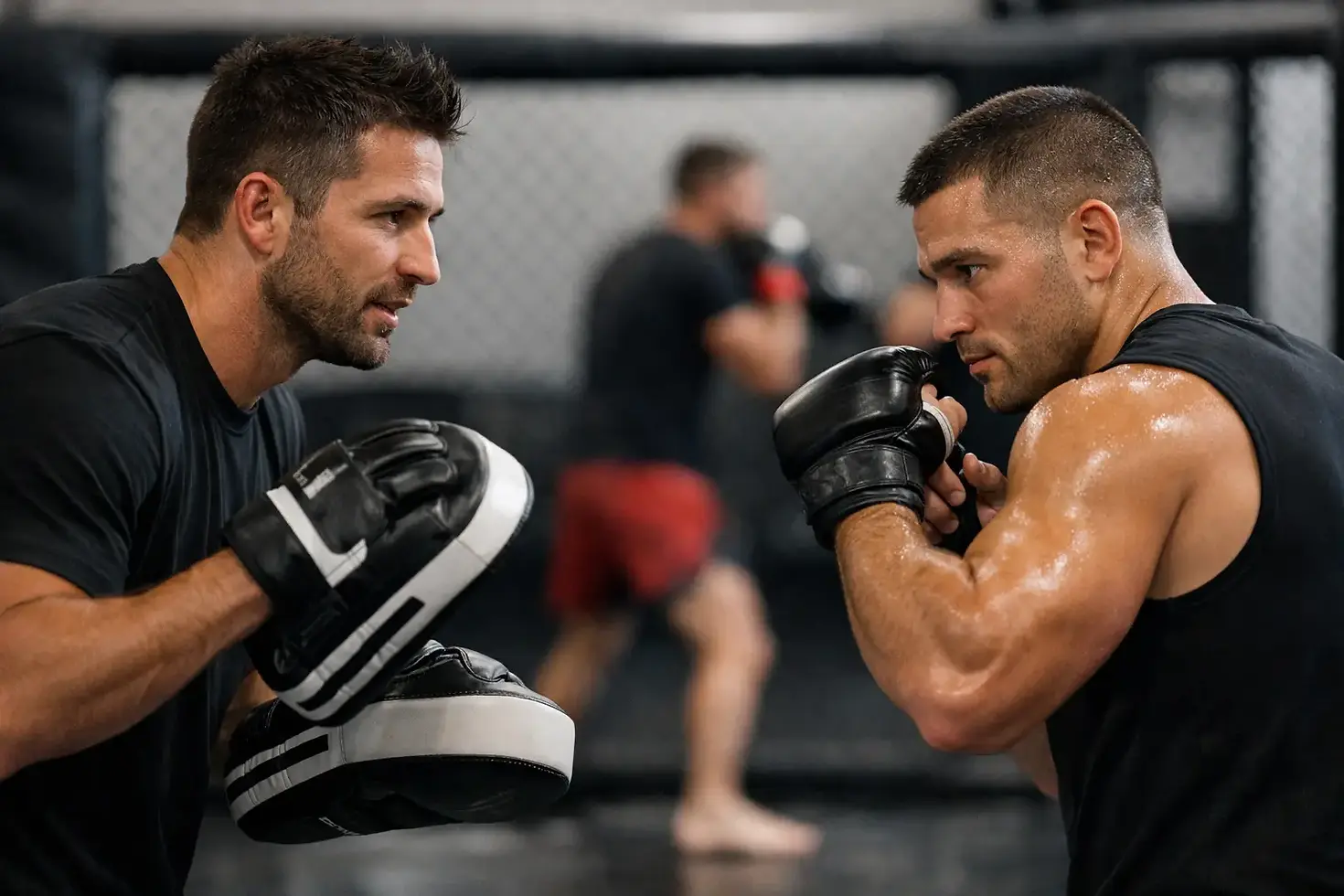
What Great MMA Coaching Should Give You
- Mark Woodard
- Aug 29
- 6 min read
The first session is often the hardest part. Not because you need to be the fittest person in the room, but because walking into a martial arts gym can feel like a big step. Good MMA coaching changes that feeling quickly. It gives you clear instruction, a safe place to learn and a realistic route from complete beginner to someone who moves with greater confidence, fitness and control.
Mixed martial arts can be challenging, but it should never be confusing or intimidating. Whether you want a more engaging way to get fit, practical self-defence skills or a structured activity that helps your child grow in confidence, the quality of coaching makes the difference.
What MMA Coaching Is Really For
MMA is often associated with professional fighting, but that is only one small part of the picture. For most people, training is about becoming stronger, more capable and more resilient in everyday life. You learn how to use your body well, stay calm under pressure and keep going when something feels difficult.
A well-planned class develops several areas at once. Striking teaches distance, timing and coordination. Grappling builds balance, body awareness and problem-solving. Conditioning improves stamina and strength. Drilling with a partner teaches respect, control and how to react without panic.
That combination is why MMA can be far more motivating than repeating the same gym routine each week. You are not simply counting calories or lifting a weight a few more times. You are working towards skills you can feel improving from session to session.
The goal is not to make every member a fighter. Some people may want to compete, and they should have a route to develop those ambitions. Others will never want to step into a cage, and they do not need to. Their progress is no less valuable. Training can be about fitness, self-protection, stress relief, discipline or proving to yourself that you can do difficult things.
Safe Coaching Builds Confidence, Not Fear
The best martial arts coaching is demanding without being reckless. New members should be taught fundamentals before being expected to use them at speed or under pressure. That means learning stance, posture, movement, safe falling, basic strikes and simple defensive positions in a controlled way.
Pressure has a place in MMA, but it must be introduced at the right time. Sparring and live grappling can be excellent learning tools when they are supervised, matched sensibly and based on consent. They should never be used to embarrass a beginner or establish who is toughest in the room.
A professional coach pays attention to the individual. Someone returning to exercise after years away may need a different pace from a regular gym-goer. A person with a previous injury may need adjustments. A confident teenager and a nervous adult beginner may both need reassurance, but in different ways.
Safety also relies on gym culture. Members should be expected to train with control, look after their partners and leave their ego at the door. Progress comes faster when people feel comfortable asking questions, making mistakes and trying again.
What a Structured Class Should Feel Like
A strong class has purpose. You should know what you are practising and why it matters, even if you are learning a simple movement for the first time. Coaches may begin with a warm-up that prepares the body for the session, then introduce a technical skill before giving members time to drill it with a partner.
For example, one class may focus on using footwork to stay safe while striking. Another may cover how to escape from an uncomfortable position on the ground. The session may finish with conditioning or controlled rounds, allowing you to apply the lesson while improving fitness.
There is no single perfect class format. Adults training for general fitness may benefit from a quicker pace and more conditioning, while a competition-focused session may include more detailed tactical work. The important thing is that classes are organised, coached closely and suitable for the people taking part.
Repetition is part of the process. It can be tempting to chase a new technique every week, but reliable skills are built by returning to the basics. A good coach finds ways to keep those basics purposeful, showing how a small improvement in balance, guard or position can make a major difference.
Progress Is More Than a Hard Workout
A tough session can leave you sweating, but effort alone is not a measure of quality. The real value of training is seeing change over time. Perhaps you can complete rounds without needing as much rest. Perhaps you are more coordinated, your posture has improved or you feel more at ease meeting new people.
For many adults, confidence is the unexpected benefit. Learning a skill that once looked impossible creates proof that you can improve through consistent effort. That carries into work, family life and other challenges outside the gym.
Fitness matters, of course. MMA training can improve cardiovascular endurance, mobility, strength and overall body composition. Results depend on attendance, recovery, nutrition and your starting point, so no responsible coach should promise an instant transformation. What training can offer is a routine you are more likely to stick with because it is active, social and genuinely interesting.
MMA Coaching for Children Needs a Different Focus
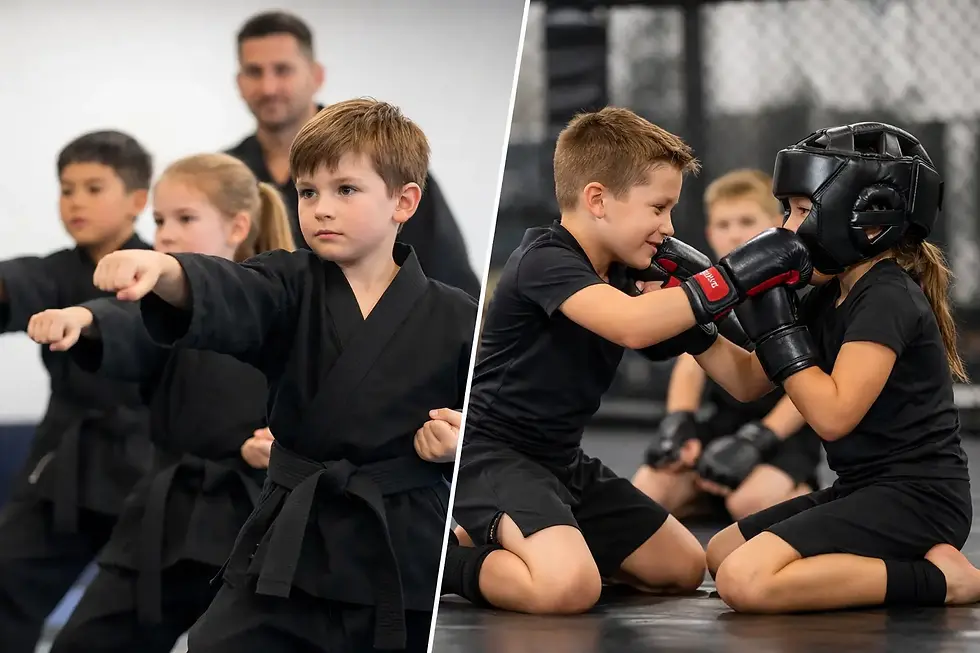
Children are not miniature adults, and their coaching should reflect that. A quality kids martial arts programme uses age-appropriate drills, clear boundaries and enjoyable activities to develop movement and self-control. It should be structured, energetic and positive without promoting aggression.
The benefits can reach well beyond physical activity. Children learn to listen, follow instructions, take turns and treat partners with respect. They discover that getting something wrong is not failure - it is part of learning. Those lessons can be particularly valuable for children who need a confidence boost, an outlet for energy or a supportive social environment.
Self-protection should be taught sensibly. For children, that often begins with awareness, assertive communication, personal boundaries and knowing when to get help from a trusted adult. Physical techniques are taught for protection and escape, not for starting confrontations.
Parents should expect open communication from coaches. They should understand how classes are run, what their child is working towards and how safety is managed. A welcoming club also recognises that every child develops differently. Some settle in straight away; others need time to observe before joining fully.
Choosing the Right MMA Coach and Gym
Credentials and experience matter, but so does the atmosphere you feel when you enter the gym. A good first visit should make you feel informed rather than pressured. You should be able to ask about the programme, class levels, safety practices and whether you can try a session before committing.
Look for coaching that is clear and attentive. Are techniques explained in a way beginners can understand? Does the coach correct people constructively? Are experienced members helping newer people feel welcome rather than trying to prove a point?
It is also worth considering what you want from training. If your main goal is practical self-defence, ask how that is included alongside sport-based MMA skills. If you want fitness, find out how sessions build conditioning without sacrificing technique. If you are choosing a class for your child, watch whether discipline is taught with encouragement and consistency.
At Outlaw MMA in Tewkesbury, the aim is to provide that balance: credible martial arts training delivered in a welcoming environment where adults and children can develop at their own level. You do not need previous experience, a certain body type or competitive ambitions to belong in a well-run class.
The Habit That Creates Lasting Results
The most effective training plan is usually the one you can maintain. Two regular sessions each week will achieve more than an intense burst of enthusiasm followed by a long break. Give yourself permission to start where you are, learn the foundations and build gradually.
Some weeks you may feel sharp and energetic. Other weeks, work, family commitments or poor sleep may affect your performance. Turning up, adapting the session when needed and staying consistent is how skill and confidence are built.
Your first class does not need to prove anything. It only needs to be a starting point. Find a supportive coach, train with people who want you to improve, and give yourself the chance to discover what disciplined practice can do.


Comments