%201.png)
.png)

A Practical Self Defence Guide for Everyday Confidence
Someone stepping too close on a night out, an uncomfortable walk from the car park, or a child being pressured by a peer can create a powerful feeling of uncertainty. A good self defence guide is not about teaching people to look for a fight. It is about building the awareness, confidence and practical habits that help you spot risk earlier, set clear boundaries and get away safely when a situation does not feel right.
At its best, self-defence training gives adults and children more than a collection of techniques. It develops calm under pressure, physical capability and the judgement to know when leaving, speaking up or seeking help is the strongest choice.
What self-defence is really for
The purpose of self-defence is safety, not winning. Real situations are unpredictable, fast-moving and often confusing. There may be poor lighting, limited space, uneven ground, more than one person involved or people you care about nearby. That is why practical training starts with prevention and escape, rather than assuming every problem should be solved physically.
The most useful goal is to create time and distance. Time gives you a chance to think, call for help or move towards other people. Distance reduces the other person's immediate ability to control or harm you. This may mean changing direction, moving to a well-lit public place, getting behind a barrier, or using a firm voice to draw attention to what is happening.
Physical techniques have a place, particularly if escape is blocked or someone becomes violent. But they need to be learned safely, practised repeatedly and understood in context. A technique that looks simple when demonstrated can be difficult to use when adrenaline rises. Good coaching prepares people to respond with control rather than panic.
The foundations of a practical self defence guide
Awareness without fear
Awareness is not about living on edge. It is the simple habit of noticing your surroundings and trusting the signal that something feels wrong. Keep your head up when walking, avoid becoming fully absorbed in your phone, and notice practical details such as exits, open businesses and groups of people nearby.
For adults, this can be especially valuable after work, while travelling or when meeting someone new. For children, it means learning age-appropriate habits: staying with trusted adults, knowing who safe people are, and speaking up if a situation feels uncomfortable. The message should never be that danger is their fault. Awareness is a skill that supports confidence, not a burden that creates anxiety.
Clear boundaries and a confident voice
Many unsafe encounters begin with a boundary being tested. Someone may stand too close, insist on unwanted attention, block a path or ignore a request to stop. Practising direct language can make it easier to respond quickly: “Stop.” “Back away.” “I don't know you.” “I need help.”
The aim is not to sound aggressive. It is to be clear enough that the person understands the boundary, while nearby people can recognise that help may be needed. Body language matters too. A balanced stance, hands held naturally in front of the body and a confident voice can help you appear more prepared while giving you room to move.
Children benefit from practising this in a supportive environment. They learn that being respectful does not mean accepting behaviour that makes them feel unsafe. Adults often need the same reminder. You are allowed to create distance, decline a conversation and leave without explaining yourself.
Movement, balance and escape
Fitness plays a greater role in self-protection than many people expect. The ability to move quickly, stay balanced, get up from the ground and keep going when tired can make a genuine difference. This is one reason martial arts training is such a valuable alternative to an ordinary exercise routine: every session can improve conditioning while developing useful movement patterns.
Practical coaching teaches people how to manage their distance, avoid being easily pushed off balance and move towards safety rather than getting trapped in place. It also includes realistic escapes from common holds and an understanding of what to do if you fall. The details matter, but so does the principle: protect yourself, create space and leave when you can.
There is a trade-off here. Training only for fitness may make you stronger without teaching you how to use that strength under pressure. Training only techniques without building stamina can leave you exhausted quickly. A well-rounded martial arts programme develops both, at a pace that suits the individual.
Calm decision-making under pressure
Adrenaline can make even confident people freeze, rush their decisions or struggle to remember what they planned to do. This is normal. The answer is not to expect perfection. It is to train simple responses often enough that they become more familiar.
Structured martial arts classes offer controlled practice with clear safety rules. Students learn to work with partners, respond to changing situations and stay composed when movement becomes faster or more physical. Gradually, this can replace the fear of the unknown with a realistic sense of capability.
That does not mean people become fearless or invincible. It means they become better at recognising their options. Sometimes the right decision is to run. Sometimes it is to call out for help. Sometimes it is to use only enough physical action to break free and escape. Mature self-defence is about choosing the safest available option, not proving toughness.
Why martial arts training makes the difference
Videos and one-off workshops can introduce useful ideas, but self-defence is a physical skill. Reading about balance is different from maintaining it while someone is moving towards you. Watching an escape is different from practising it with a partner who provides safe, appropriate resistance.
Regular training also builds familiarity with contact. For many beginners, the first challenge is not learning a complex technique. It is remaining calm when another person steps close, grips a wrist or applies controlled pressure. In a welcoming class, that confidence develops gradually. Nobody needs previous experience, elite fitness or a competitive mindset to begin.
Mixed martial arts is particularly useful because it brings together striking, clinch work, takedown awareness and ground skills. The goal for a self-defence student is not to become a professional fighter. It is to understand the different ranges an encounter can take, recognise risks and develop practical routes back to safety.
At Outlaw MMA, structured coaching allows adults to build fitness and credible self-defence skills in a supportive setting. For children, martial arts provides an active, positive environment to practise confidence, discipline, respect and personal safety alongside their physical development.
Self-defence for children: confidence with boundaries
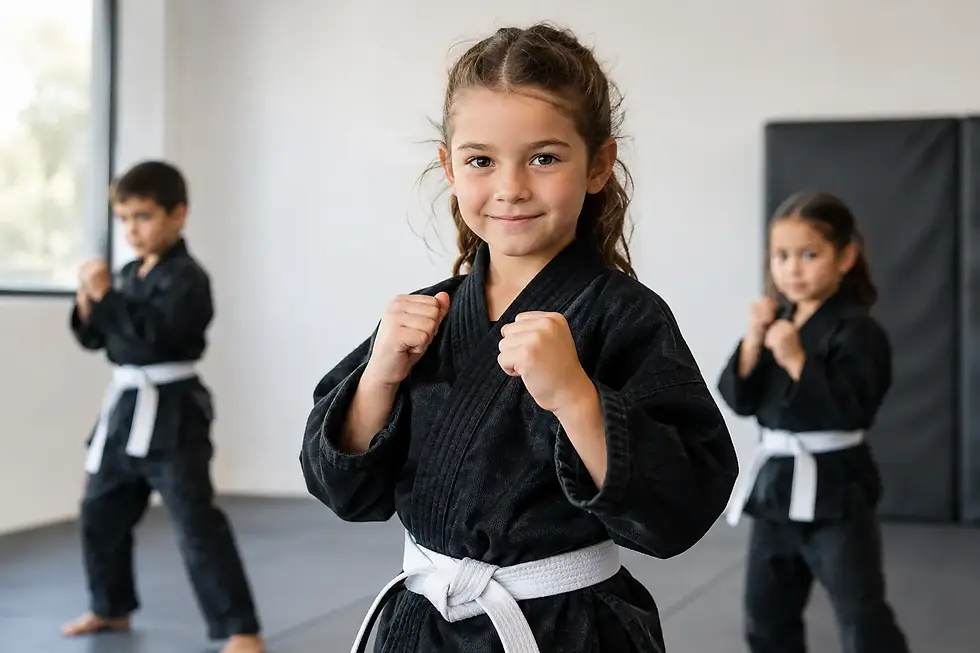
Children's self-defence should never be framed as teaching them to fight other children. Its value lies in confidence, awareness and communication. A child who can stand tall, use a clear voice and tell a trusted adult what has happened is better equipped to handle many everyday challenges, from unwanted rough play to bullying.
Training can also help children learn self-control. They discover that strength comes with responsibility, that rules matter and that walking away can take more confidence than reacting. These lessons often carry into school, friendships and home life.
Parents should look for coaching that is age-appropriate, closely supervised and focused on positive development. A safe class does not use fear to motivate children. It gives them achievable challenges, celebrates effort and helps them see progress over time.
Keeping self-defence legal and proportionate
In the UK, self-defence is not a licence to use force because someone has upset or insulted you. The central principle is that any force used must be reasonable in the circumstances as you honestly believed them to be. Where possible, avoidance, de-escalation and leaving are always preferable.
This is another reason responsible training matters. Students should learn that physical action is a last resort when it is needed to protect themselves or another person, and that the objective is to get safe rather than continue an altercation. Specific legal outcomes depend on the facts of each case, so this is general guidance rather than legal advice.
Start where you are
You do not need to wait until you feel fitter, braver or more experienced before starting. In fact, training is where those qualities are built. Begin with a class that welcomes beginners, teaches safely and gives you space to progress at your own level.
The confidence that comes from self-defence is not loud or confrontational. It is the quieter knowledge that you can hold your boundaries, move with purpose and face unfamiliar challenges with a clearer head. That is a skill worth practising, for yourself and for the people who depend on you.


Comments