%201.png)
.png)
What Age Can Children Start Martial Arts?
- Mark Woodard
- 6 days ago
- 5 min read
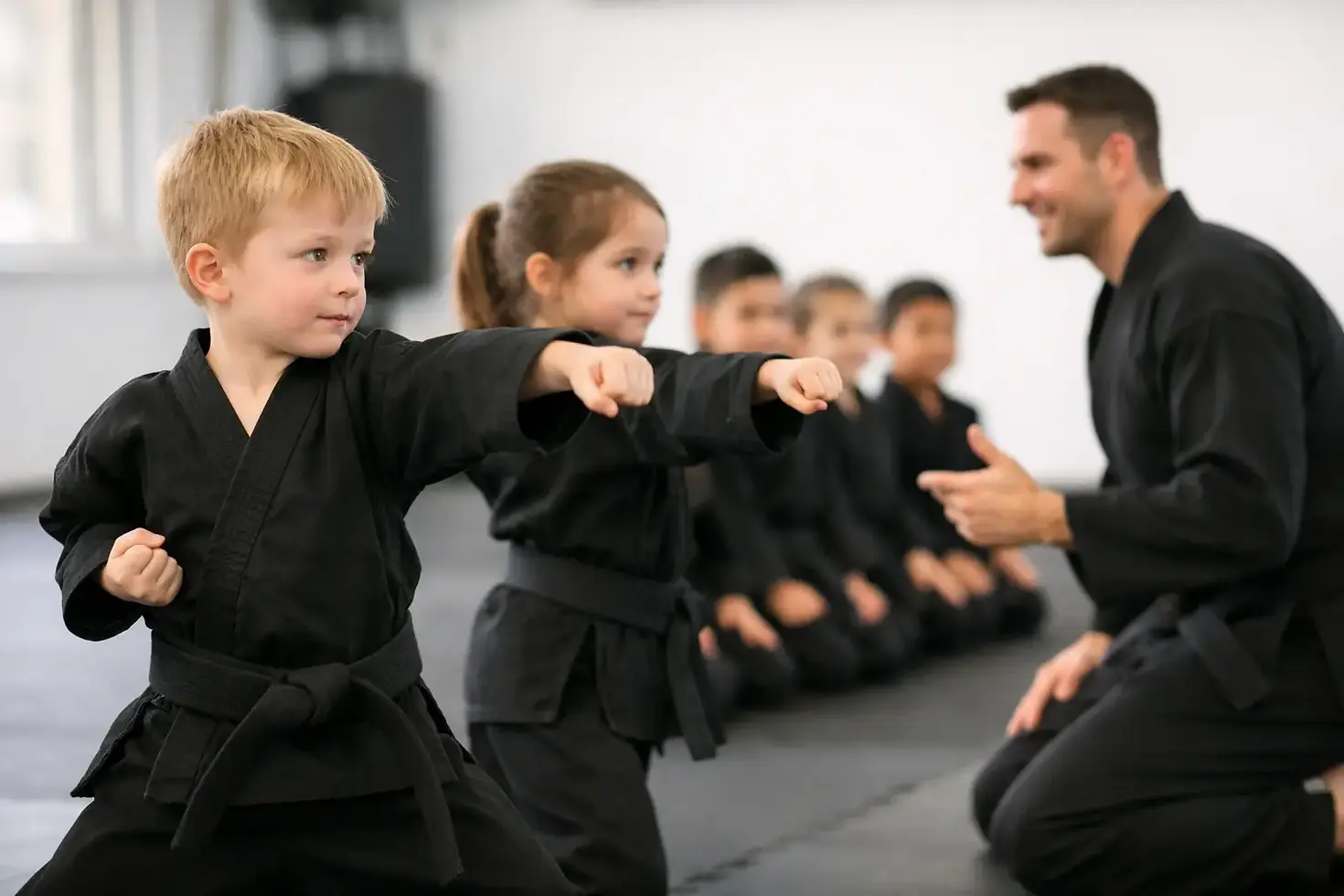
A four-year-old may be ready for a structured class, while another child may benefit from waiting a little longer. Parents often ask, “what age can children start martial arts?” The honest answer is that many children can begin from around age three or four, but readiness, coaching quality and the style of class matter far more than a birthday alone.
The right children’s martial arts programme should feel purposeful without feeling overwhelming. It should give your child room to move, learn and have fun while steadily building the habits that matter outside the gym too: listening, respect, self-control, confidence and the ability to keep trying when something is difficult.
What age can children start martial arts classes?
Many martial arts schools offer preschool or early-years classes for children aged three to five. At this stage, training is not about sparring, complicated techniques or expecting a child to remember long sequences. It is about learning to follow simple instructions, take turns, use their body with control and feel comfortable being part of a group.
From around five or six, children are often ready for a more structured class. They can begin practising clearer martial arts movements, partner drills and basic self-protection principles. Their attention span is usually longer, and they can understand why rules exist - particularly rules around safety, respect and looking after their training partners.
Children aged seven and above can normally progress further into technical training, fitness and carefully supervised partner work. That does not mean every seven-year-old needs the same challenge. Good coaching adapts the session to the child in front of the instructor, rather than treating every age group as identical.
Starting young can be helpful, but there is no missed opportunity if your child begins at eight, 10 or 13. Older beginners often make rapid progress because they can concentrate for longer and understand feedback more easily. Martial arts is a long-term journey, not a race to start first.
Readiness matters more than the number
Age gives a useful guide, but a child’s individual readiness tells you more. A child may be ready to start if they can spend part of a session listening to an instructor, cope with being away from a parent for a short time, follow basic boundaries and recover reasonably well if they do not get something right immediately.
They do not need to be naturally sporty, confident or outgoing. In fact, martial arts can be especially valuable for children who are quiet, cautious or still finding their feet in group activities. The class should meet them at their current level and help them make progress one small achievement at a time.
A little nervousness on the first visit is completely normal. What matters is whether that nervousness starts to ease in a patient, welcoming environment. If a child is consistently distressed, unable to take part at all, or struggling with the session length, it may be better to try a shorter early-years class or wait a few months. Waiting is not failure. It is simply choosing the right time and setting.
What young children should learn first
For younger children, the best martial arts lessons are built around foundations rather than fighting. They should learn how to stand with balance, move safely, coordinate their hands and feet, and use an appropriate level of energy. Simple games and drills can make these skills enjoyable while giving children a real sense of accomplishment.
They should also learn the social side of training. Waiting their turn, responding when their name is called, treating others with respect and accepting guidance are all part of martial arts development. These lessons are often as valuable to parents as the physical activity itself.
Self-protection should be age-appropriate. For a young child, that may mean recognising unsafe situations, using a clear voice, creating space, seeking a trusted adult and understanding that they never need to handle a problem alone. Practical personal safety is about awareness and confidence, not encouraging aggression.
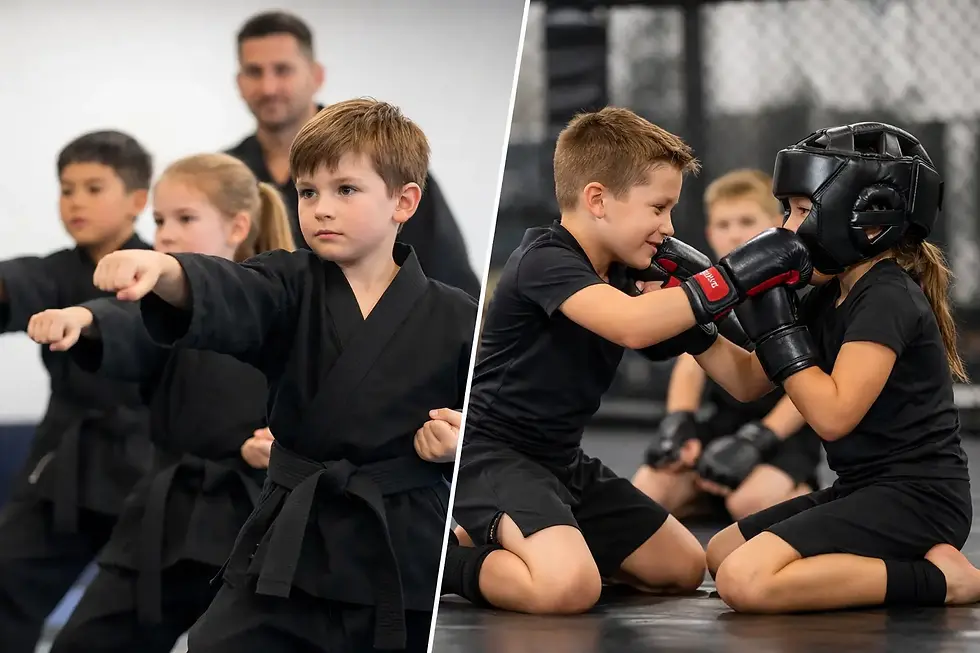
As children mature, instructors can introduce more technical movements and controlled partner drills. Any contact work should be closely supervised, matched to the child’s age and experience, and based on consent and clear rules. A well-run class teaches children that strength comes with responsibility.
Choosing a class that feels safe and positive
The youngest starting age is less important than the standard of coaching. Before enrolling, watch a session or arrange a trial. You should see instructors giving clear instructions, using positive correction and paying attention to every child, not only the loudest or most athletic ones.
Look for a class with sensible age groupings and an atmosphere where beginners are genuinely welcomed. Children need challenge to grow, but they also need to feel safe enough to make mistakes. An instructor who can combine firm boundaries with encouragement will help them develop confidence without pressure.
It is also worth noticing how children speak to one another. Martial arts should create a community where effort is respected, partners are looked after and achievements are earned. The aim is not to make a child intimidating. It is to help them become more capable, composed and considerate.
For parents in and around Tewkesbury, a specialist children’s programme such as the one at Outlaw MMA can provide that balance of structured coaching, practical self-protection and personal development in a family-friendly setting.
The benefits change as your child grows
A child who starts at four may gain confidence with movement, routine and social interaction. A child who starts at seven may benefit from improved focus, coordination and resilience. For pre-teens, martial arts can offer a healthy outlet for energy, a break from screens and a constructive challenge during a period when confidence can change quickly.
The benefits are not automatic, however. A weekly class cannot solve every confidence concern or behavioural difficulty on its own. Progress comes through regular attendance, patient coaching and encouragement at home. Some children love the energy of training immediately; others take several weeks to settle in and build trust.
It also helps to keep expectations realistic. Your child may not return home after one lesson transformed into a model of concentration. What you may see instead is quieter progress: standing a little taller, speaking up more clearly, practising a movement at home or showing greater patience when something takes time. Those changes can become meaningful over months of consistent training.
Should children start with MMA?
Mixed martial arts can be an excellent starting point when it is taught specifically for children. A proper kids’ MMA programme does not copy an adult class and simply make it shorter. It uses age-appropriate drills, controlled activities and clear supervision to teach movement, discipline, fitness and self-protection safely.
The term MMA can sound intense to some parents, but children’s coaching should never centre on aggression. At the right gym, it is a practical way to develop a broad range of skills, including striking movement, grappling awareness, balance and safe decision-making. The focus remains on control, respect and knowing when to walk away.
Ask how the programme manages contact, whether instructors are experienced in coaching children and what the class expects from beginners. The answers should be clear and reassuring. A quality coach will welcome questions because parents deserve to understand exactly how their child will be taught and supported.
Help your child get the most from their first class
Before the first session, explain that they do not need to be perfect or know anything already. Their job is simply to listen, try and enjoy themselves. Comfortable clothing, a drink of water and arriving a few minutes early can make the experience calmer.
Afterwards, avoid turning the journey home into an interview. Ask what they enjoyed, whether they felt comfortable and what they would like to learn next time. If they found something hard, remind them that everybody begins somewhere. Confidence is built by returning, practising and seeing that difficult things become more manageable.
The best age to start is when your child has access to a class where they feel welcomed, guided and challenged at the right level. Give them the chance to take that first step, and let steady training do what it does best: help them grow stronger in body, character and confidence.


Comments